14th August
4th March
Why Preventative Wellness Is Essential — Not Selfish
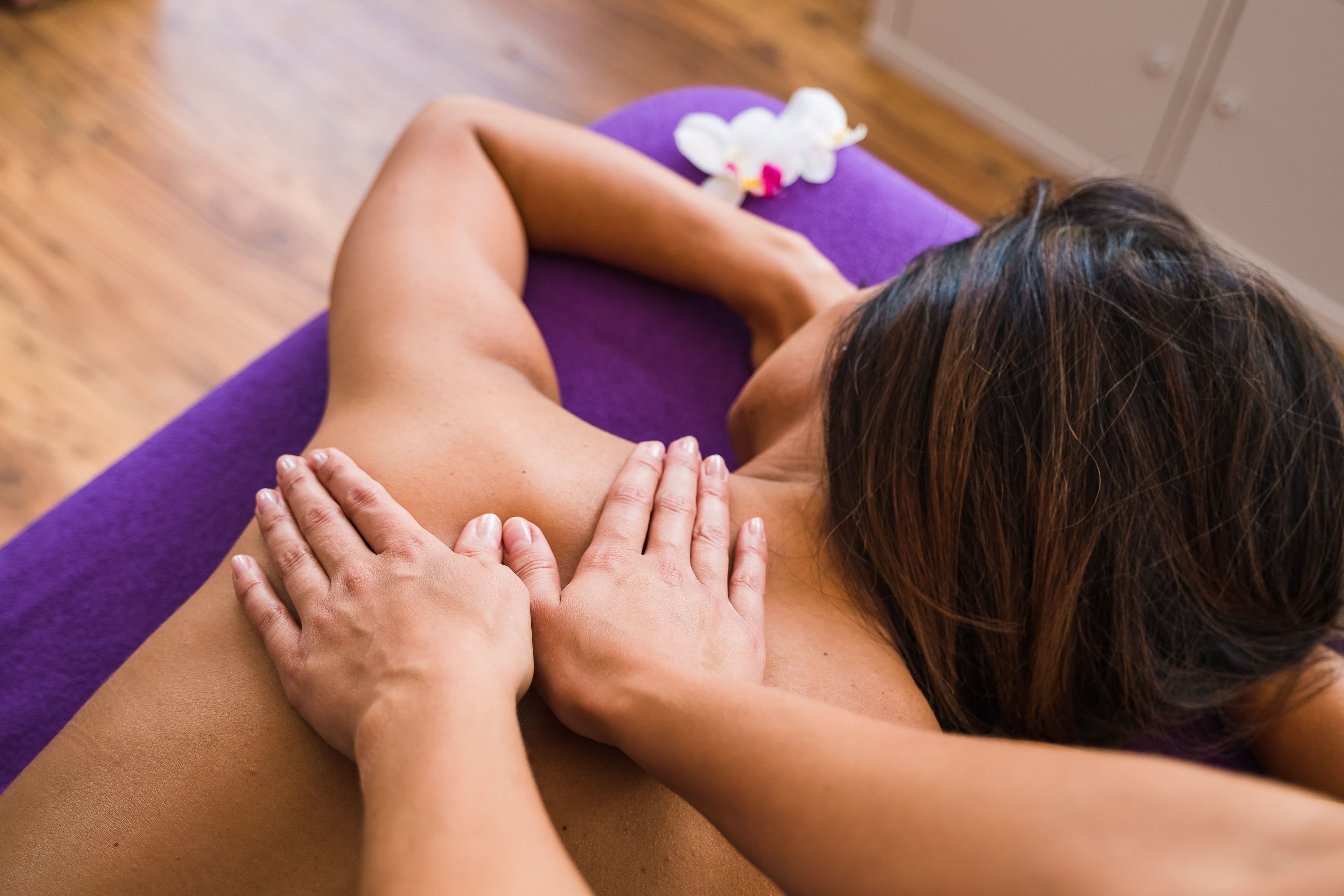
For many people, massage is seen as an optional extra. Something you book when you’re injured, in pain, or as an occasional treat — rather than part of looking after your health.
But what if we reframed that idea?
Massage isn’t about indulgence.
It’s about maintaining your body, preventing problems before they escalate, and supporting your long-term wellbeing.
Why Massage Often Gets Labelled a “Luxury”
Massage doesn’t always get the same recognition as other healthcare treatments — and that’s partly because:
Unlike medication or surgery, massage works quietly in the background — improving movement, easing tension, and supporting recovery before pain becomes unavoidable.
When there’s no sharp injury, it can feel easier to put it off.
The Real Cost of Waiting Until You’re Injured
Most people don’t book a massage too early — they book it too late.
By the time pain is constant:
At that stage, treatment often takes:
Preventative massage helps reduce the risk of:
Massage as Preventative Wellness
Just like servicing a car, your body benefits from regular maintenance.
Preventative massage can:
When massage is used consistently, many clients find they:
“Isn’t It Selfish to Spend Money on Myself?”
This is one of the most common thoughts people have — especially carers, parents, and busy professionals.
But looking after your body isn’t selfish.
It’s what allows you to:
When pain and tension are ignored, they don’t disappear — they just surface later, often louder and harder to manage.
The Value Behind the Cost of a Massage Treatment
There’s a well-known story that explains this perfectly.
A giant ship’s engine broke down and no one could fix it. Eventually, they called in a mechanical engineer with over 30 years of experience. He inspected the engine carefully, top to bottom, then reached into his bag and took out a small hammer.
He tapped one specific spot — gently.
The engine roared back to life.
A week later, the engineer sent the ship owner the bill: £20,000.
Outraged, the owner demanded a breakdown.
“You barely did anything!”
The invoice read:
Massage works in exactly the same way.
You’re not paying for “just an hour on the table.”
You’re paying for:
If a treatment helps you feel better in one session, it’s not because it was rushed — it’s because your therapist has spent years learning how to be precise.
As the saying goes:
If I do a job in 30 minutes, it’s because I spent 20 years learning how to do it in 30 minutes. You’re paying for the years — not the minutes.
Massage Works Best as Part of a Bigger Picture
Massage doesn’t replace physiotherapy, chiropractic, or medical care — it works alongside them.
Used preventatively, it can:
It’s not about avoiding treatment — it’s about needing less of it in the first place.